A Guide to Sugar Wax Strains: Flavor, Potency, and the Art of Extraction
If you spend any time around cannabis concentrates, you have probably heard the term sugar wax thrown around. It is a style of concentrate that has gained a loyal following for its balance of flavor and potency. The name comes from the crystalline, sugar-like appearance of the trichomes before they are pressed into a waxy, workable consistency. But not all sugar wax is the same. The strain used to make it changes everything from the taste to the effects. Understanding sugar wax strains can help you choose the right product for your setup and your preferences.
I have been dabbing for years, and I have tried everything from dark, crumbly old-school hash to translucent live resin that looks like shards of amber. Sugar wax sits somewhere in the middle. It is not as fragile as live resin, but it is more refined than basic solvent extracts. The best examples I have tried come from strains that are naturally high in terpenes and have a dense trichome structure. That is where the real magic happens.
What Makes Sugar Wax Different
To understand sugar wax strains, it helps to know what makes sugar wax itself distinct. Most sugar wax on the market is made using a solventless extraction process. That means no ethanol or butane is used to strip the cannabinoids from the plant material. Instead, the trichomes are separated mechanically, usually through a series of fine mesh screens. The result is a concentrate that retains more of the plant's natural terpene and cannabinoid profile than many solvent-based extracts.
Because no chemicals are introduced, the flavor is cleaner. You get the true taste of the strain, not the ghost of a solvent. That is a big deal for people who care about the nuances of different genetics. A well-made sugar wax from a fruit-forward strain like Strawberry Guava tastes exactly like biting into a ripe guava, with a hint of berry on the exhale. The same strain made with ethanol can lose some of those delicate notes.
Strains That Shine in Sugar Wax Form
Not every cannabis variety is suited for sugar wax. The strain needs to produce enough resin and have the right terpene composition to survive the mechanical separation without losing its character. Some of the best sugar wax strains I have come across include Blueberry Muffin, Grape Pie, and Papaya. Each one brings something different to the table.
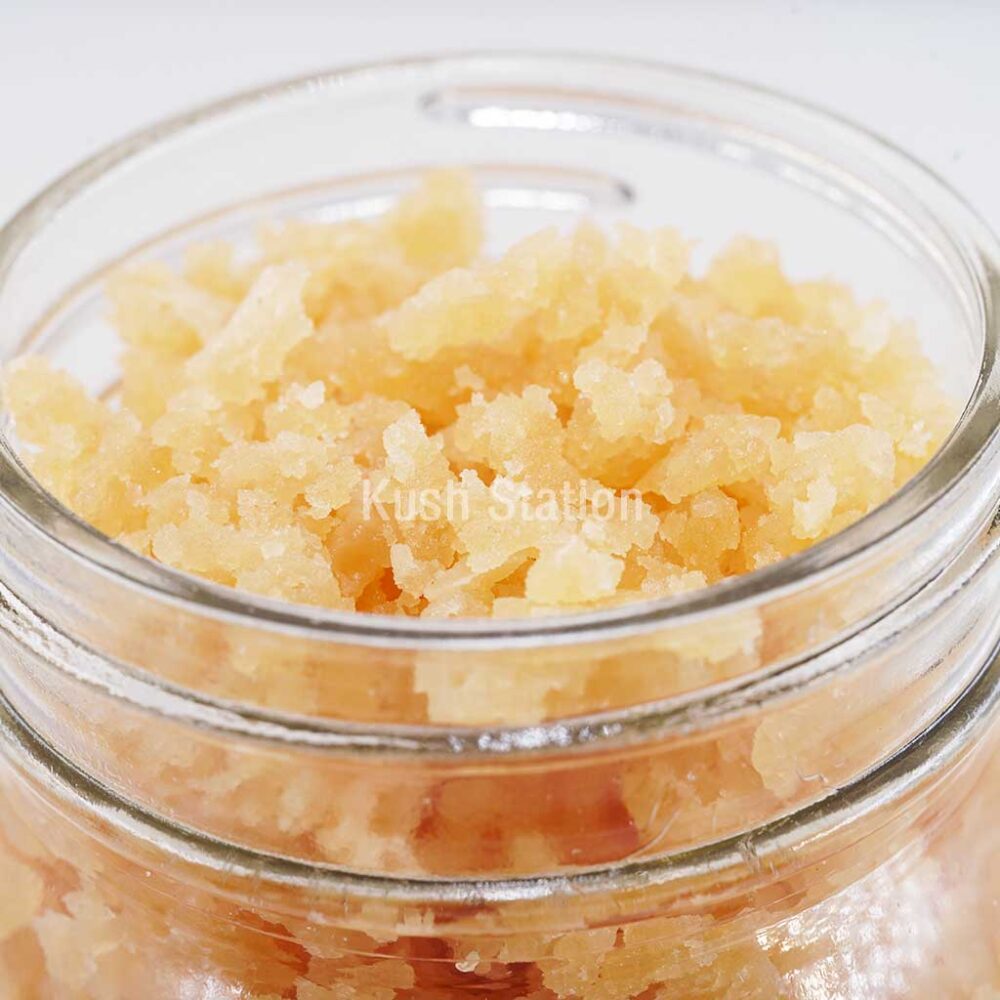
Blueberry Muffin is a personal favorite. The strain smells like a bakery, with sweet blueberry notes and a touch of doughy earthiness. In sugar wax form, the flavor is intense and long-lasting. It is one of those concentrates that fills the room with aroma the second you drop it on a hot quartz banger. The effects lean more toward relaxation, with a gentle body high that does not overwhelm you. It is great for evening dabs.
Grape Pie, on the other hand, is more of a balanced hybrid. The sugar wax version I tried had a deep purple hue and a flavor that reminded me of grape soda mixed with fresh flowers. The cannabinoid profile here tends to be higher in THCa, which converts to delta-9 THC when heated. That gives it a punchy, euphoric high that hits fast. It is a good choice if you want something that works well for both focus and unwinding.
Papaya is a tropical strain that translates beautifully into sugar wax. The dominant notes are sweet melon and papaya, with a subtle funk underneath. The consistency is usually softer and more pliable, which makes it easy to handle. The effects are uplifting and creative, perfect for a daytime dab when you still have things to do. I have found that Papaya sugar wax tends to have a slightly lower melting point, so it works especially well with an enail setup where you can dial in the temperature precisely.
How to Get the Most Out of Your Sugar Wax
Dabbing sugar wax is not complicated, but a few small adjustments can make a big difference. The first thing to consider is your nail. A quartz banger is the standard choice because quartz heats evenly and does not impart any extra flavor. If you are using a banger, aim for a temperature between 480 and 520 degrees Fahrenheit. Too hot, and you will burn off the terpenes, leaving a harsh, flavorless hit. Too cool, and the wax will not vaporize fully, and you will waste material.
A terp pearl or two can help. They spin inside the banger when you inhale, spreading the oil across the hot surface and improving vaporization. I use two 4mm pearls in my banger, and the difference is noticeable. The hits are more consistent, and the flavor lasts longer. If you are using an enail, you can set it to 500 degrees and forget about timing. That is the easiest way to get repeatable results.
Another factor is hydration. Cannabis concentrates are sensitive to moisture. If your sugar wax feels too sticky or runny, it might have absorbed humidity from the air. Store it in a cool, dark place in an airtight container. Some people use small glass jars with rubber seals. Avoid plastic containers because terpenes can break down plastic over time, and you will end up with a faint chemical taste.
The Role of THCa and Delta-9 THC
One of the reasons sugar wax strains are so popular is the way they deliver cannabinoids. Raw cannabis contains mostly THCa, which is the acid form of THC. It does not get you high on its own. When you apply heat, the THCa decarboxylates and converts into the psychoactive delta-9 THC. That is the compound responsible for the euphoria and pain relief.
Because sugar wax is concentrated, the ratio of THCa to other cannabinoids is higher than in flower. A good batch can have a THCa content in the 60 to 80 percent range. After decarboxylation, that translates into a very potent experience. But potency is not just about numbers. The entourage effect matters too. Other cannabinoids and terpenes modulate the high, making it smoother or more energetic depending on the strain. That is why two strains with similar THC percentages can feel completely different.
Cold cure is a technique that some producers use to preserve those delicate compounds. Instead of heating the extract to drive off moisture, they keep it at low temperatures for longer periods. The result is a sugar wax that retains more of the original terpene profile. The flavor is brighter, and the effects are more nuanced. It takes more time and care, but for someone who really appreciates the details of different sugar wax strains, it is worth seeking out.
Live Resin vs. Sugar Wax
You might hear people compare sugar wax to live resin. They are related but not identical. Live resin is made from fresh, flash-frozen plant material that is never dried or cured. That process preserves the most volatile terpenes, which are often lost during drying. Live resin tends to have an even more pronounced flavor than sugar wax, but it is also more fragile. It can degrade faster if not stored properly.
Sugar wax, on the other hand, is usually made from dried and cured material. The flavor is still excellent, but it is a bit more mellow and stable. I think of it as a middle ground between live resin and older extraction methods. It offers the convenience and shelf stability of a traditional concentrate without sacrificing too much on taste. If you are new to dabbing, sugar wax is a forgiving place to start. If you are experienced, the variety of sugar wax strains available means you can always find something new to explore.
Practical Tips for Choosing Sugar Wax
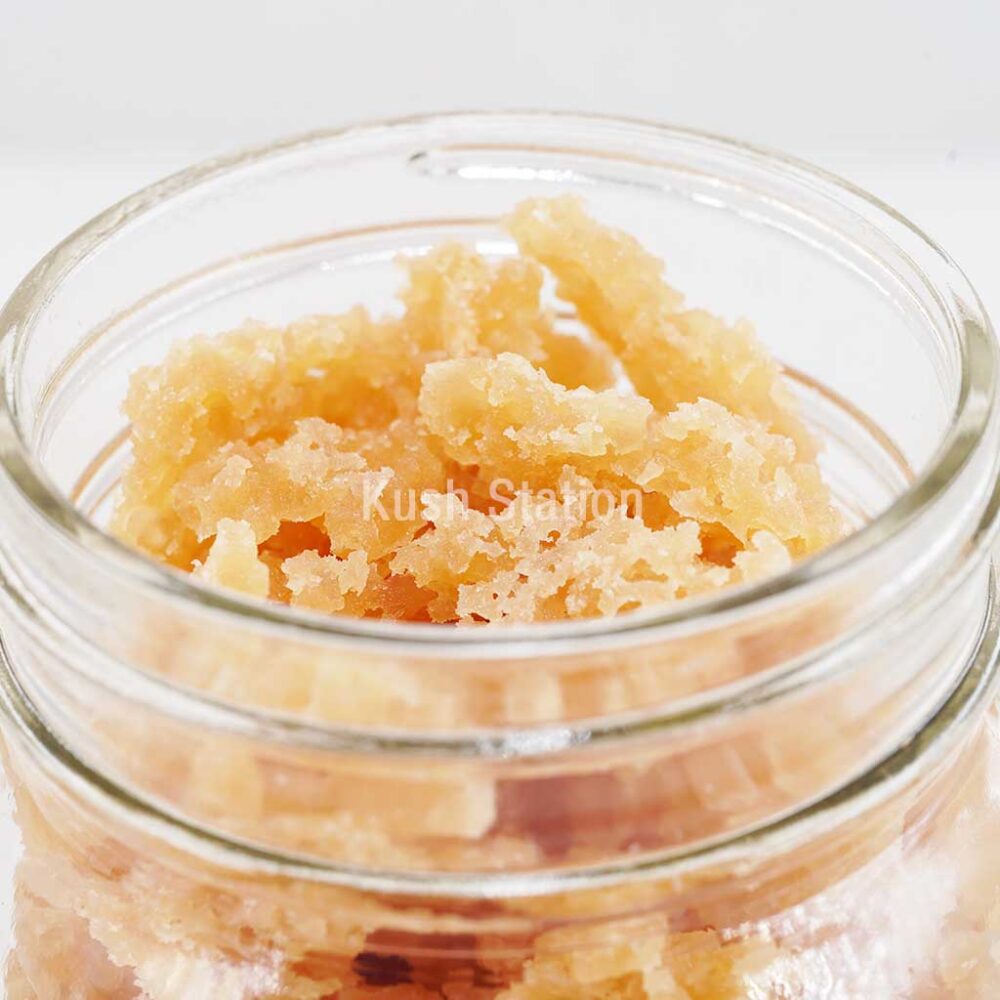
When you are shopping for sugar wax, look for a few signs of quality. The color should be light to medium amber, sometimes with a slight golden hue. Dark brown or black wax often means it was overheated during extraction or stored poorly. The texture should be waxy, not greasy or crumbly. If it leaves a residue on your fingers, it might contain plant fats or other impurities.

Ask about the extraction method. Solventless is ideal, but some producers use a light ethanol wash to capture more of the cannabinoids. That is not necessarily bad, but it changes the flavor. If the product is labeled as solventless, you can be confident that no chemicals were used.
Finally, pay attention to the strain name. Reputable producers will tell you exactly what genetics went into the batch. A generic label like "sugar wax" without a strain name is a red flag. The best sugar wax strains come from specific, well-known varieties with distinct terpene profiles. That is how you get consistent results and a memorable experience.
Whether you are chasing the sweet berry notes of Blueberry Muffin or the tropical funk of Papaya, the world of sugar wax has a lot to offer. Take your time, experiment with different temperatures and setups, and you will find what works for you. The right strain, handled with care, can turn an ordinary dab into something special.